

It’s perfectly normal to have questions when you notice something unusual about your eggs. This article provides a clear, factual explanation for why yolks sometimes develop a gray-green hue and offers practical advice on what to do about it.
Why Egg Yolks Turn Gray or Green
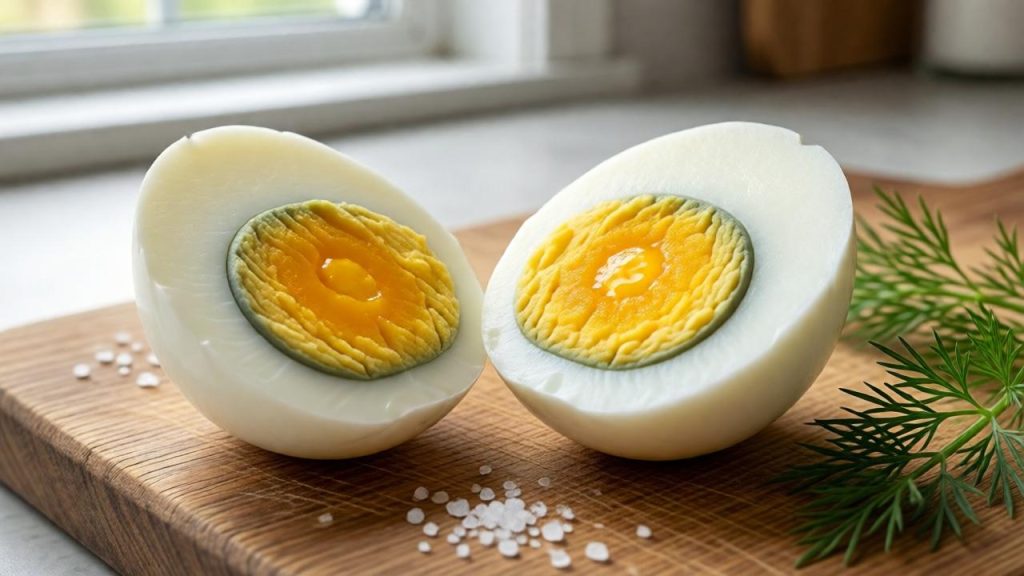
The most frequent reason for a gray-green ring around the yolk is a chemical reaction that occurs during cooking. When eggs are heated, iron from the yolk interacts with sulfur compounds that form in the egg white. Excessive or prolonged heat leads to the formation of iron(II) sulfide, which appears as that distinctive gray-green layer. This is purely a chemical change and is not toxic.
Other scenarios involving green coloration include very old eggs or those stored improperly, which may show changes in appearance and odor. In some traditional preservation methods, like making ‘century eggs’ or through strongly alkaline processing, green or dark colors are intentional and not indicative of spoilage.
Are Such Eggs Safe to Eat?
If the discoloration is limited to a thin gray-green ring on a hard-boiled yolk, it is generally harmless. The substance might impart a slightly metallic taste but poses no health risk. However, the overall condition of the egg is key: if it emits a foul, rotten smell or has a strange, sticky texture, it should not be consumed.
- Do not use eggs with cracks in the shell. Damaged eggs are best discarded.
- Trust your nose: an unpleasant odor is a clear warning sign.
- When in doubt, throw it out. The cost of an egg is far less than the risk of foodborne illness.
Cooking Tips to Avoid Gray-Green Yolks
- Avoid overcooking: Excessive heat promotes the greenish ring. For hard-boiled eggs, 9–12 minutes in gently simmering water is usually sufficient, depending on size.
- Cook gently: Start eggs in a pot of cold water, bring to a boil, then reduce to a gentle simmer. Vigorous boiling increases the risk of discoloration.
- Shock them: Immediately transfer cooked eggs to cold or ice water after boiling. This halts the cooking process and stops the chemical reaction.
- Add vinegar: A splash of vinegar in the cooking water can slightly lower the pH and help reduce the formation of iron-sulfur compounds.
- Use fresh eggs: Fresher eggs are less prone to texture changes and maintain a better appearance.
Storage Tips for Eggs
- Store eggs at home in a cool, dry place, ideally in their original carton.
- While eggs in EU stores are often unrefrigerated, home refrigeration (in the refrigerator) is recommended to extend shelf life.
- Place eggs with the pointed end facing downwards; this helps keep the air sac stable.
- Use the best-before or use-by date as a reliable guide.
- Always wash your hands and clean work surfaces after handling raw eggs.
Conclusion
A gray or green discoloration on an egg yolk is typically the result of a harmless chemical reaction during cooking and is not automatically a health hazard. By employing gentler cooking methods, shocking eggs in cold water, and practicing proper storage, you can largely prevent these discolorations. Always pay attention to smell, shell integrity, and expiration dates—when uncertain, it’s safest to discard the egg. Following these simple guidelines ensures greater safety and enjoyment when eating eggs.