The words felt like stones in my mouth, heavy and final. “Margaret. You have to move out today. I’m going to sell the house.” I stood in the doorway of the small cottage behind my father’s estate, the man who had just been buried three days prior. The woman before me, her face etched with the lines of sixty-five hard years, looked up with eyes swimming in tears. “But I have nowhere to go,” she whispered, her Irish accent softening the plea. “Your father said I could stay.” Impatience, cold and sharp, was my only shield. “My father is dead. What he said no longer matters.”
I had visited my bedridden father once a month for the last five years of his life. My stays were brief, clinical twenty-minute affairs. Meanwhile, Margaret, the immigrant caregiver, was the constant. She changed his diapers, cleaned his wounds, and read to him every night. When he finally passed, it was her hand he held. She was the one who stayed by his side through the final night, her quiet sobs the only prayer at his bedside. Yet, to me, she was just an employee, a fixture to be cleared away with the rest of the estate.
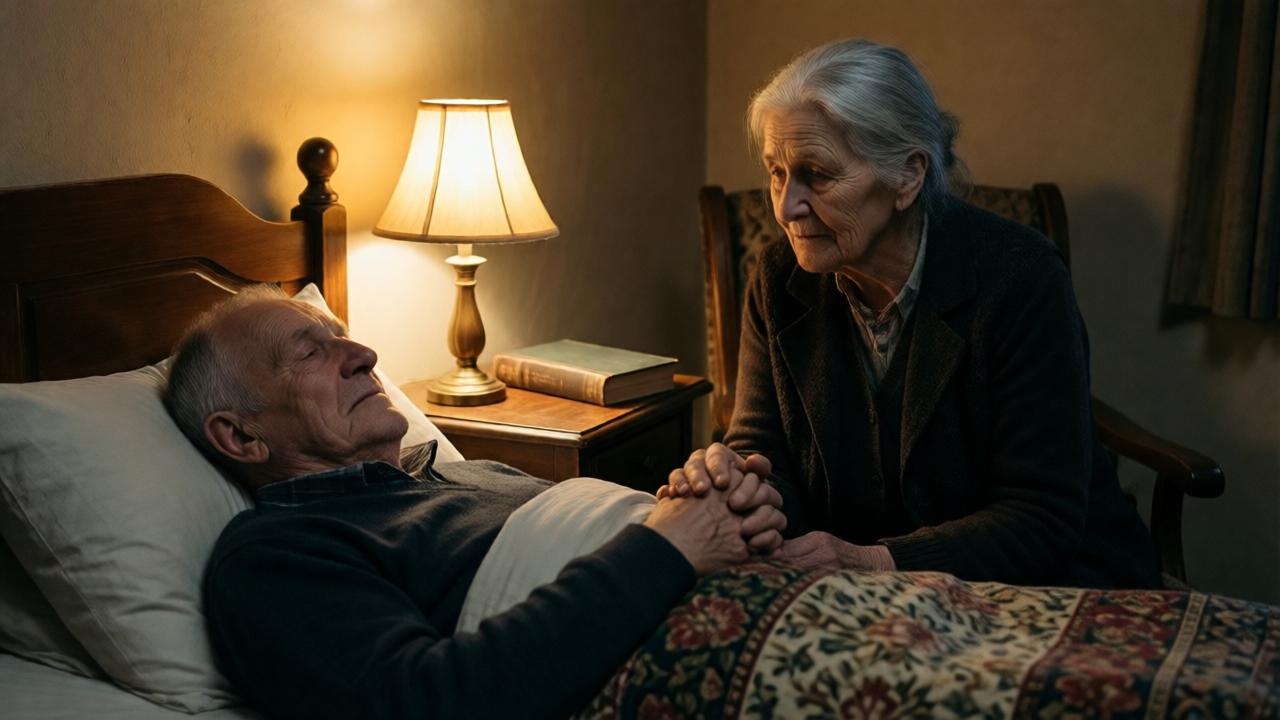
I watched her pack two old, battered suitcases. I watched her heave them down the front path, the weight of her years and her belongings bowing her already hunched back. I did not offer a ride. I did not offer extra money. I felt nothing—no guilt, no compassion. Just the clean, empty space where sentiment should have been. The house sold for a million dollars. The money fueled my business, which grew bigger. I built a life: marriage, two children, a big house, comfort. In the early years, Margaret’s face would sometimes flicker in my mind. *Was she okay? Did she find work?* Later, I forgot her completely.
Twenty years later, an envelope with no return address arrived. It was nondescript, yet it carried the weight of a tombstone. Inside was a handwritten letter and a faded photograph I had never seen. The photo showed my father as a young man, smiling with a brilliance I barely recognized. Beside him stood a pregnant woman, her hand resting gently on her belly. On the back, in delicate script, it read: “1963. James and me, three months before your birth.” My heart seized in my chest.
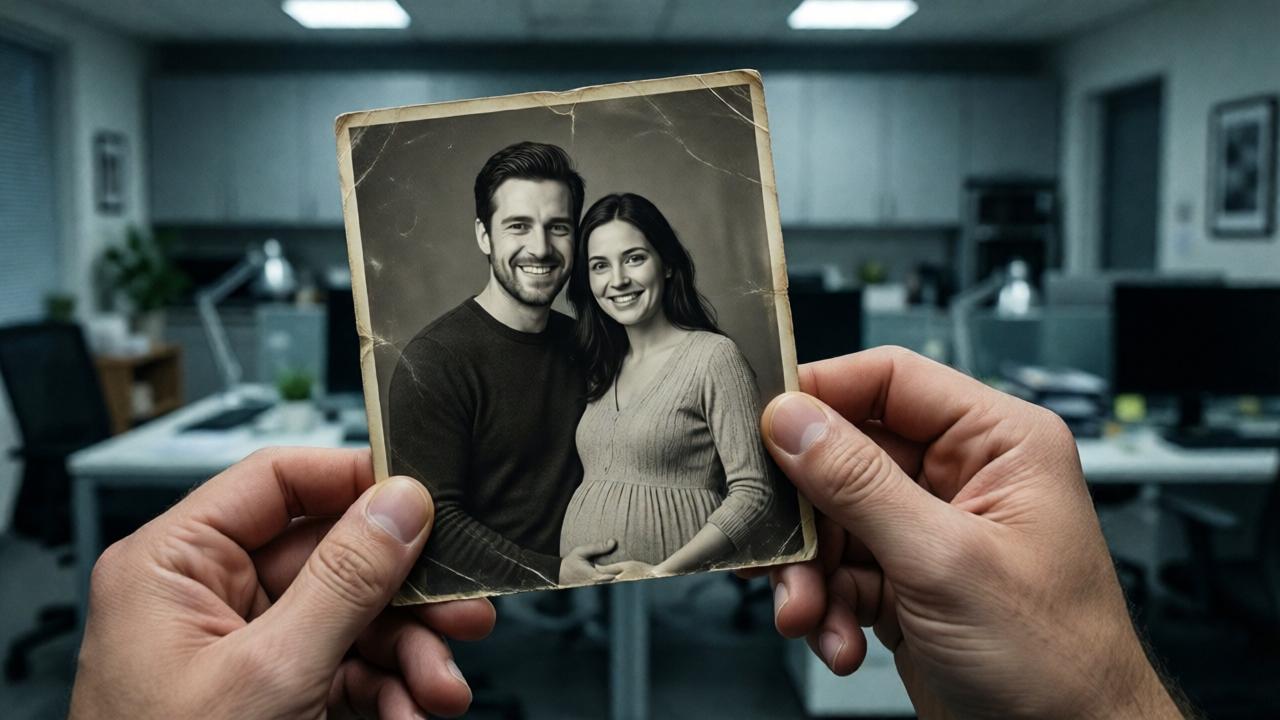
The letter began, “Dear James, if you are reading this, it means I have already passed away. There is something your father asked me never to tell you…” The next line did not just surprise me; it shattered the foundation of my world. The truth it revealed rewrote my history, my identity, and the cruel, unforgivable act I had committed two decades prior. The woman I had cast out into the cold with such callous efficiency was not just a caregiver. The life I had built on that million-dollar foundation was not just comfortable—it was a monument to my own blindness.
- The final five years of care, a debt I never acknowledged.
- The eviction, an act of heartless efficiency.
- The photograph, a truth hidden for a lifetime.
- The letter, a confession from beyond the grave.
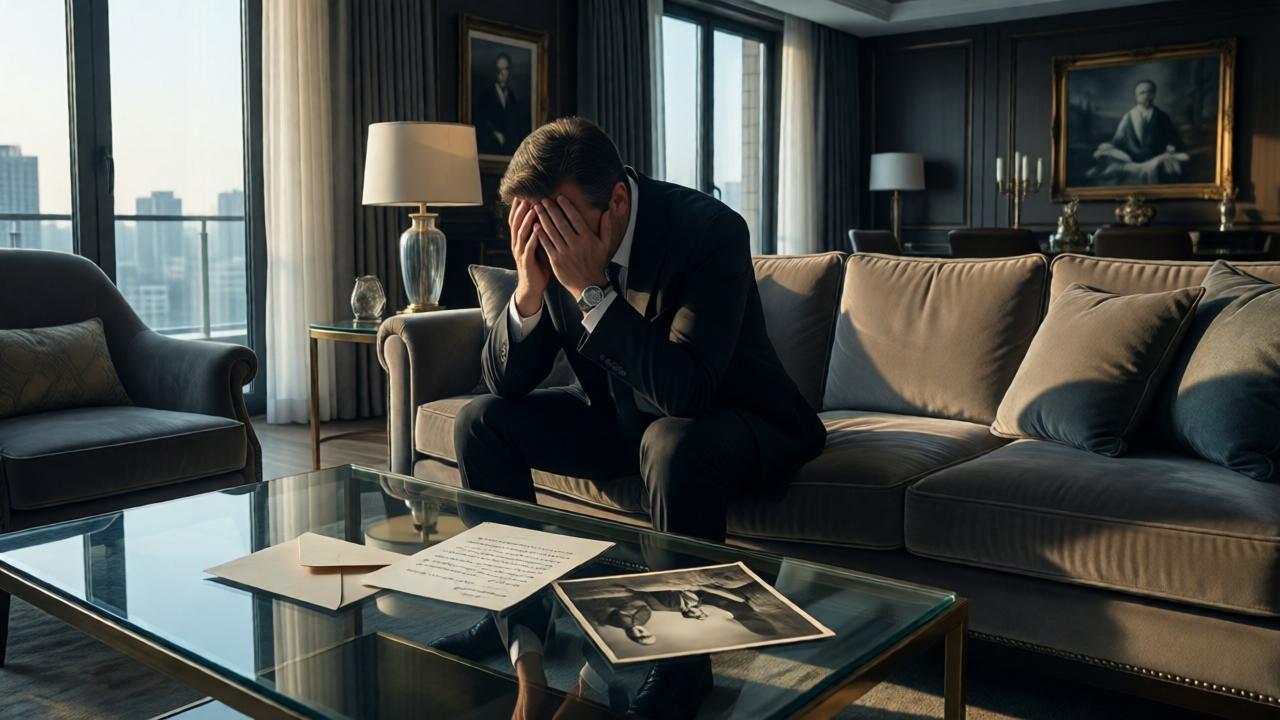
The comfortable numbness I had lived in for twenty years evaporated, replaced by a scorching, unbearable guilt. I had driven away the one person who loved my father unconditionally, who had shared a secret with him that defined my very existence. “What he said no longer matters,” I had told her. How tragically, devastatingly wrong I was. His words, and hers, mattered more than anything. The envelope didn’t just contain a letter; it contained a verdict on my life, and I was found profoundly, irrevocably guilty.