
For Frank and Laura, a married couple in their sixties, Frank’s election as mayor felt like a golden sunset reward for a lifetime of service. Their move into the stately official residence was more than a change of address; it was an entrance into a world where nearly every facet of their daily life—from gourmet meals and chauffeured travel to utilities and a full household staff—was seamlessly covered by the public budget. In return, the simple, solemn duty was to serve with integrity and ensure every penny was accounted for in transparent annual reports. “It’s not a perk, it’s a responsibility,” Frank told the cheering crowd on inauguration day. “This house belongs to the people, and we are merely its temporary stewards.” For a time, it seemed an idyllic blend of comfort, prestige, and purpose.
The first cracks appeared not in policy, but in the parlor. Within a year and a half, discontent began to ripple through the city’s grapevine. Rumors swirled that Laura, the mayor’s wife, treated the publicly-funded household staff with palpable disdain, frequently provoking arguments over trivial matters. The whispers grew louder when service workers—including hairdressers and tailors invited to the residence—began to speak out. Instead of proper payment, some claimed they were handed copies of Frank’s self-published memoir on civic duty. Others said they received nothing but a commemorative selfie with the mayor and a hollow ‘thank you for your service.’ What was meant to be a dignified home was becoming a site of simmering resentment.

Public frustration soon demanded an official response, prompting an investigation into the mayor’s household finances. The probe quickly moved beyond unpaid hairdressers. Investigators uncovered a bizarre, telling pattern: Laura was repeatedly seen on security camera footage, carrying large, bulky bags to recycling centers. The bags were full of empty bottles and cans from official receptions, for which she received substantial cash returns—income that was strictly prohibited for public officials and conspicuously absent from any disclosure. “It wasn’t about the money,” a former aide later confessed. “It was about the principle. It showed a mindset that everything, even the trash, was a personal commodity.”
As the city became bitterly divided, with supporters and opponents clashing in streets and shops, the press dug deeper. They unearthed allegations that struck at the very heart of the city’s identity. Frank was accused of accepting bribes to permit the construction of buildings taller than five stories—a long-standing taboo designed to preserve the historic skyline. Even more damning were reports that a controversial modern tram line, approved to cut through the protected historic center, was pushed through in return for a lavish ‘birthday gift’ to the mayor. “He sold our history for a tram and a tower,” one elderly protester shouted during a city council meeting, her voice trembling with fury.
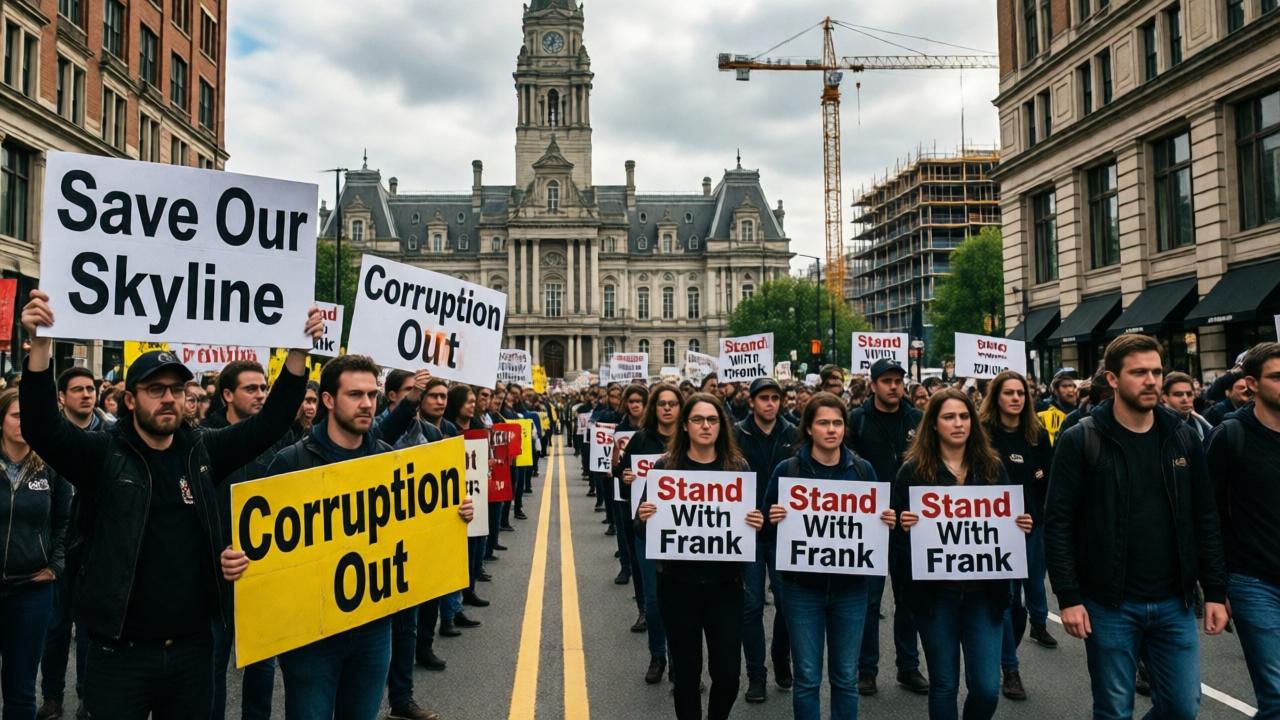
- Abuse of household staff and non-payment of service workers.
- Undeclared income from recycling official residence bottles and cans.
- Accepting bribes to violate building height restrictions.
- Approving a disruptive tram project in exchange for personal gifts.
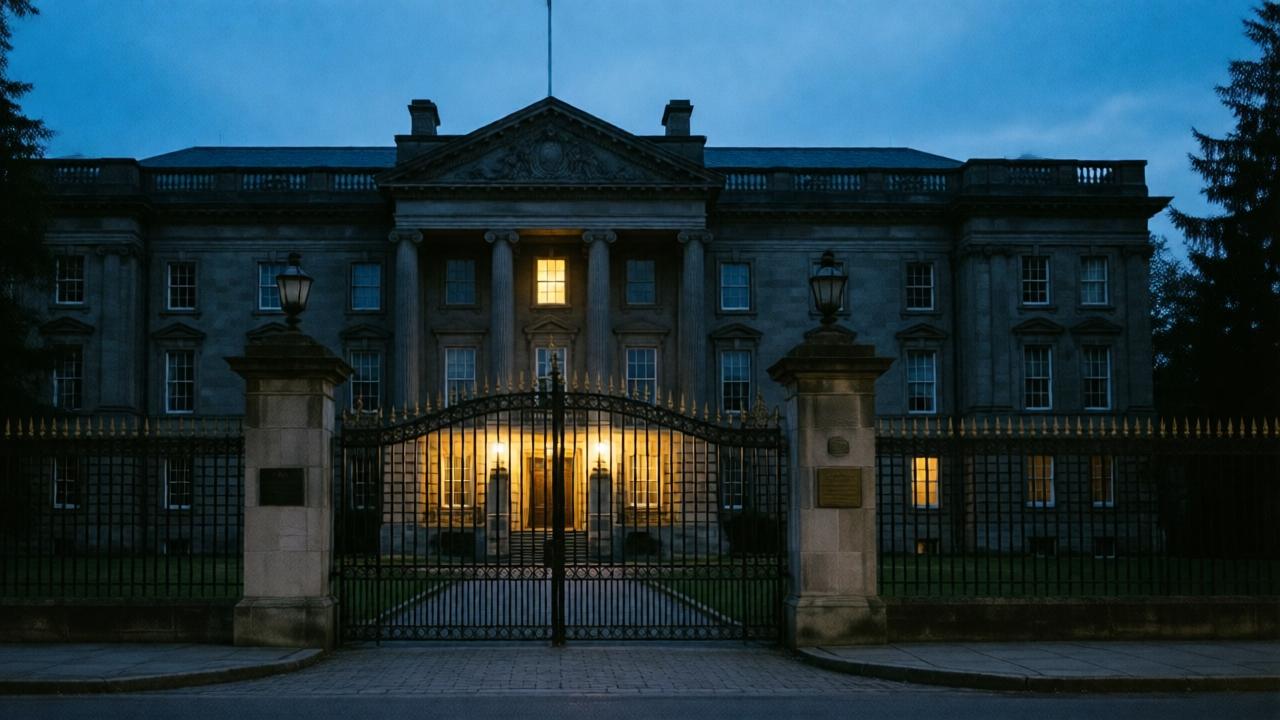
The investigation culminated in a stark courtroom drama. Evidence of corruption, abuse of power, and systematic financial misconduct was laid bare. The idyllic vision of public stewardship had completely shattered. In the end, the verdict was severe. Frank was stripped of his office and sentenced to seven years in prison. The official residence, once a symbol of trusted leadership, stood empty, a monument to a profound betrayal. The scandal served as a grim reminder, as one local columnist wrote: “When public service is confused with personal entitlement, the fall from grace is not just inevitable—it’s a public spectacle.”