The city hadn’t changed, or so Ronald told himself. At sixty, the billionaire stood on the penthouse balcony of the Grand Imperial Hotel, looking down at the grid of streets where he’d delivered newspapers as a boy. Four decades of building an empire on another coast had passed, but the pull of roots was undeniable. ‘I’m not just visiting,’ he declared to his small circle of advisors. ‘I’m coming home to fix what’s broken.’ His plan was audacious: to run for mayor, not as a politician, but as a benefactor, a savior with a checkbook. He would buy his way into the city’s heart.
The campaign began like a fairy tale written by a public relations firm. Ronald flooded local airwaves with polished ads. He held court at the university, charming students with tales of global business. He sponsored park renovations, funded a new community center, and, in his most symbolic move, purchased the struggling local football team, the City Lions. ‘This city deserves a winner,’ he’d boom at rallies, his voice echoing in half-filled halls. The initial public reaction was a mix of awe and curiosity. Who was this prodigal son, and what did he truly want?
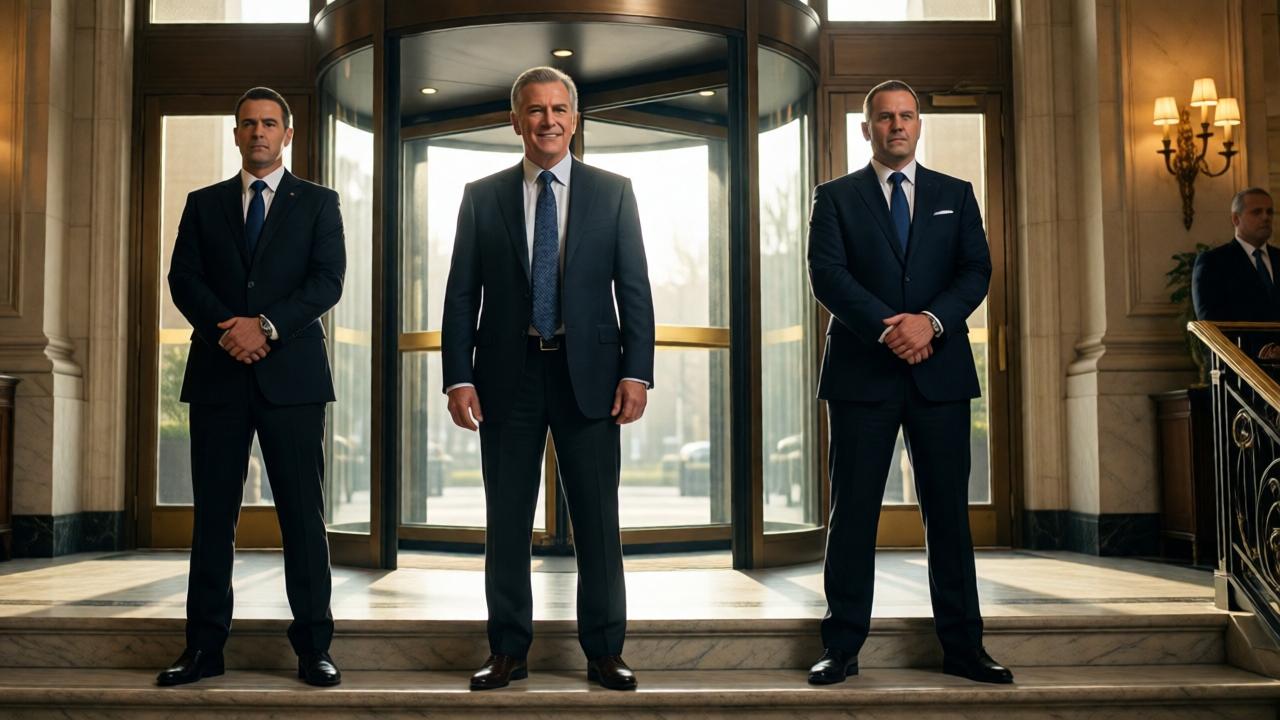
The first crack in the facade appeared not in a boardroom, but in the hotel lobby. As Ronald was leaving one morning, a security guard, an older man with weary eyes, nervously approached. ‘Mr. Ronald, sir… my daughter’s medical bills. Could you spare a thousand?’ Without a moment’s hesitation, Ronald nodded to a bodyguard. ‘Write him a check.’ It was a gesture meant to be private, a king dispensing favor. But by that evening, the guard was in a barbershop, the check held aloft like a trophy. ‘He didn’t even blink!’ he exclaimed. The story spread, but it mutated. For every person who saw generosity, another saw vulgar display.
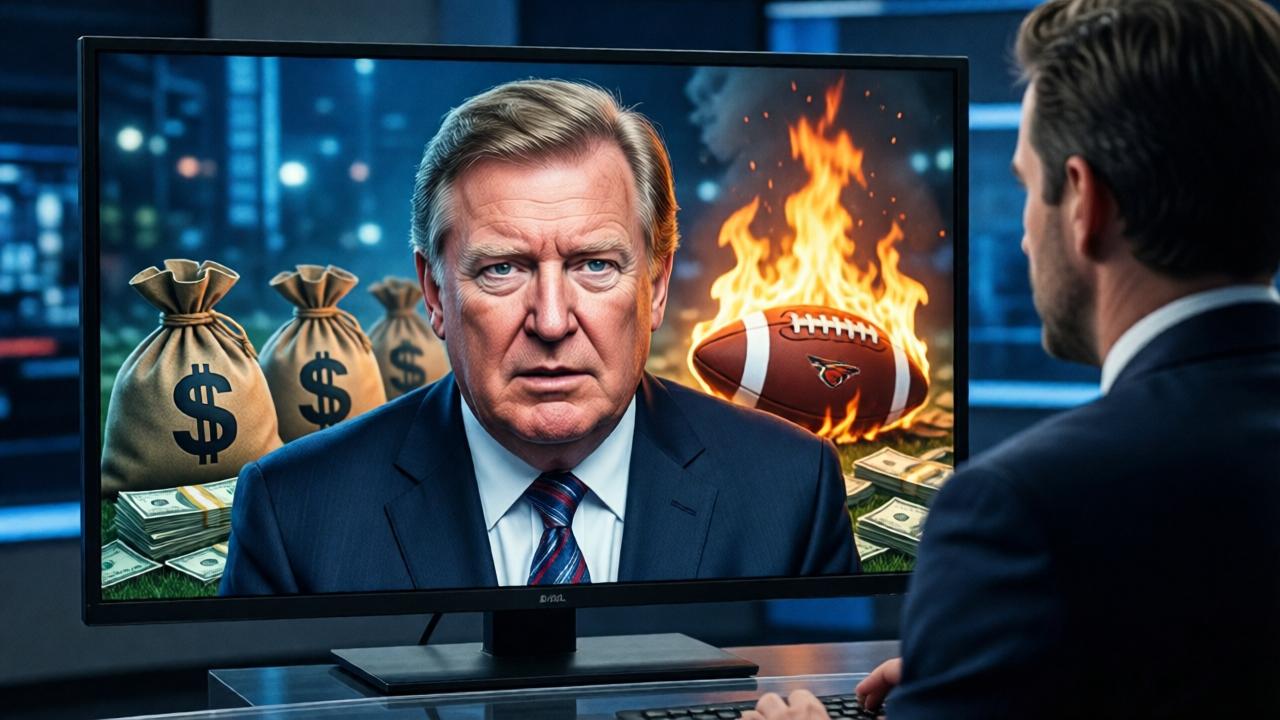
The tide turned with vicious speed. The outsider, absent for forty years, had forgotten the city’s intricate web of loyalties and resentments. First, the offices of the City Lions football club were mysteriously set ablaze. Then, the local TV stations, once eager for his advertising dollars, began running exposés. ‘Where did the money *really* come from?’ one anchor asked pointedly. Cartoons depicted him as a giant, clumsy figure dropping bags of cash on the city’s historic buildings. The pressure transformed Ronald. The polished billionaire vanished, replaced by a snarling, defensive figure. ‘You people have no vision!’ he snapped at a reporter, a clip that played on a loop.
Ronald’s world shrank. Public appearances became rare, and when he did emerge, he was pale, his hands sometimes trembling. The health problems his doctors had long warned him about—stress, hypertension—crept from the background to center stage. The final act came not at a polling station, but in a hospital room. A suspected heart attack, brought on by the relentless pressure, forced his hospitalization. Lying in that sterile bed, listening to the distant sounds of the city that had rejected him, he made a decision. He was done.
- The lavish, very public campaign for mayor
- The impulsive $1,000 check to the hotel security guard
- The purchase and subsequent torching of the local football club’s offices
- The hostile media turn questioning his wealth’s origins
- His deteriorating public demeanor and health
He left quietly, under cover of night, checking into a secluded country clinic far from the city’s noise. The diagnosis was a combination of cardiac strain and profound exhaustion. From his private room, he issued a single, final statement through his lawyer: he was withdrawing from the race and all local business interests for health reasons. To his remaining confidant, he was more blunt. ‘I vowed to never come back, and I’m keeping that promise,’ he whispered, his voice thin. ‘You can’t buy a home. You can only earn it, and I… I forgot how.’ The city moved on, the story of the billionaire who tried to buy his birthplace becoming just another local legend, a cautionary tale about the price of forgetting where you came from.

He left quietly, under cover of night, checking into a secluded country clinic far from the city’s noise. The diagnosis was a combination of cardiac strain and profound exhaustion. From his private room, he issued a single, final statement through his lawyer: he was withdrawing from the race and all local business interests for health reasons. To his remaining confidant, he was more blunt. ‘I vowed to never come back, and I’m keeping that promise,’ he whispered, his voice thin. ‘You can’t buy a home. You can only earn it, and I… I forgot how.’ The city moved on, the story of the billionaire who tried to buy his birthplace becoming just another local legend, a cautionary tale about the price of forgetting where you came from.