“Abby! Abby! Somebody get my Abby!” The fairy horn had just sounded, its mournful echo rolling across the deck. Everyone was moving, rushing toward the cars, the gangplank, the warmth of the terminal. Nobody heard her but me. I was at the rail when the little girl slipped through the gap. One second she was chasing something in the air—a glint of light, maybe a dragonfly—the next she was gone. Five years old. Puget Sound in late April runs about 10 degrees. I grew up swimming in water like it. I know exactly what it does to a small body.
The deckhand grabbed my arm before I cleared the railing. He was following protocol. I understood that. “Let go,” I said, my voice calm but firm. “I’m going in.” I told him what I was about to do and I went over anyway. The water hit like a wall, a shock so cold it stole my breath. My backpack caught the wake and the strap gave. I felt it pull away and I let it go. Inside? A 24-page research paper I’d reprinted at 2 in the morning after my hard drive failed. A signed recommendation letter. My student ID to access the building. Every piece of my scholarship application. The only copies. I didn’t go back for it.
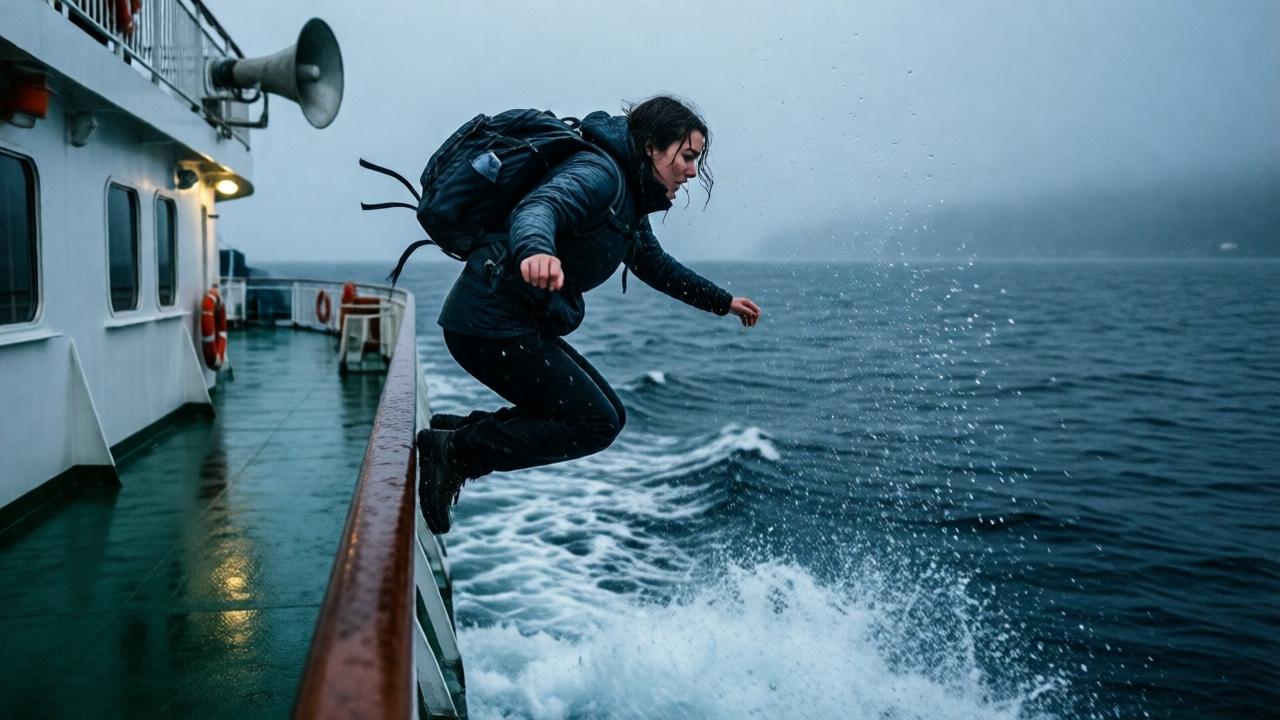
I found Abby 6 meters out, her small body already limp. I got my hand under her chin and kicked toward the ring the deckhand had thrown. After he let me go. That mattered. His hands released me and his hands threw the rope. Two different decisions. He made both of them right. They pulled us up together. Abby coughed hard and opened her eyes, sputtering saltwater. Her grandmother made a sound I won’t try to describe—a wail that turned into a sob of relief. I stood on the deck soaking wet, shivering, and looked for my bag.
- The backpack was gone, lost to the depths—or so I thought.
- Every document for my scholarship application was inside.
- I had no copies. No backups. No way to reprint the signed letter.
- My academic future was sinking into the cold gray water.
But an older man in a dark windbreaker was holding my bag. A crew member had hooked it from the water with a boat hook just before it sank. He’d opened it just enough to find a name. And found more than that. Roland Fenn. Chairman, Pacific Sound Scholars Foundation. He’d ridden this ferry every Wednesday for 14 years, since he established the scholarship in memory of his son, who drowned in this same stretch of water. He looked at me, his eyes wet with something that wasn’t rain. “You saved that little girl,” he said quietly. “I know what it cost you.”
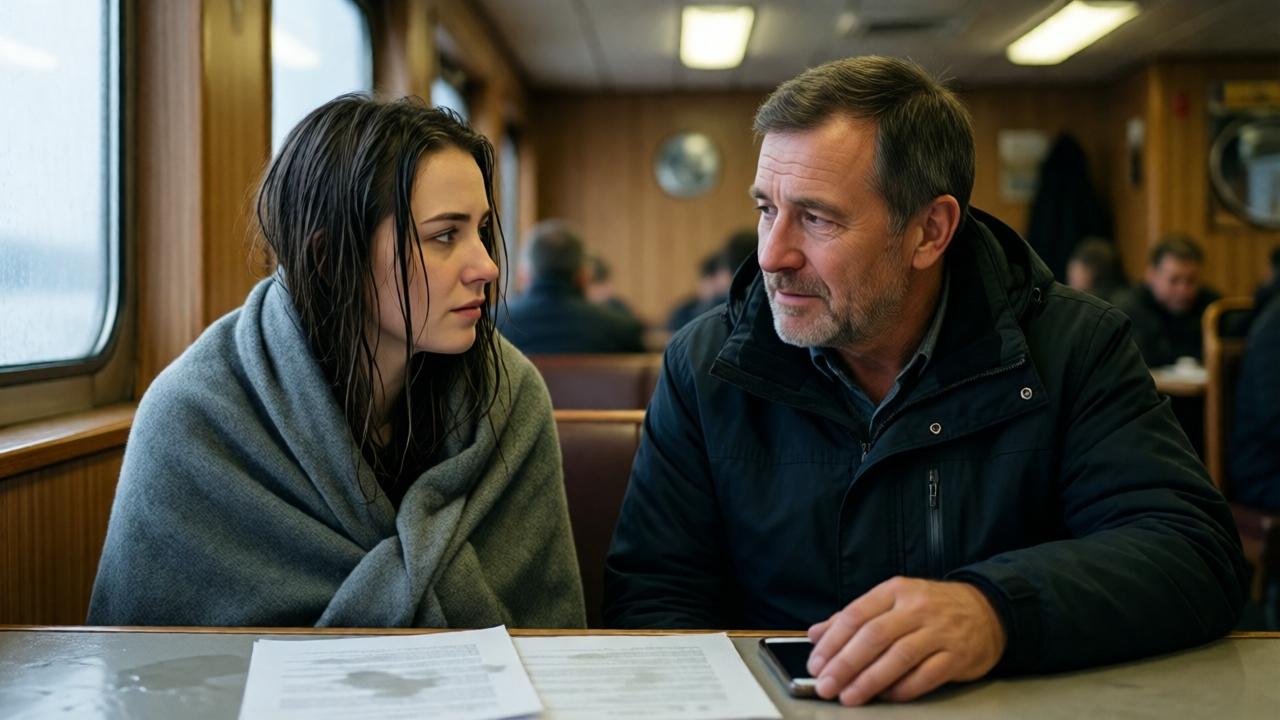
The recommendation letter’s signature was gone. Water damage had turned the ink into a blur. I felt my stomach drop. But Roland Fenn took out his phone and sent one message to the Bainbridge office. Three words. I never learned what they were. Then he handed the bag back without explaining. I sat across from him 20 minutes later in a borrowed blanket, research paper spread damp on the table. He didn’t ask a single question from the prepared list. Instead, he asked, “What was the first thing you thought when you hit the water?”
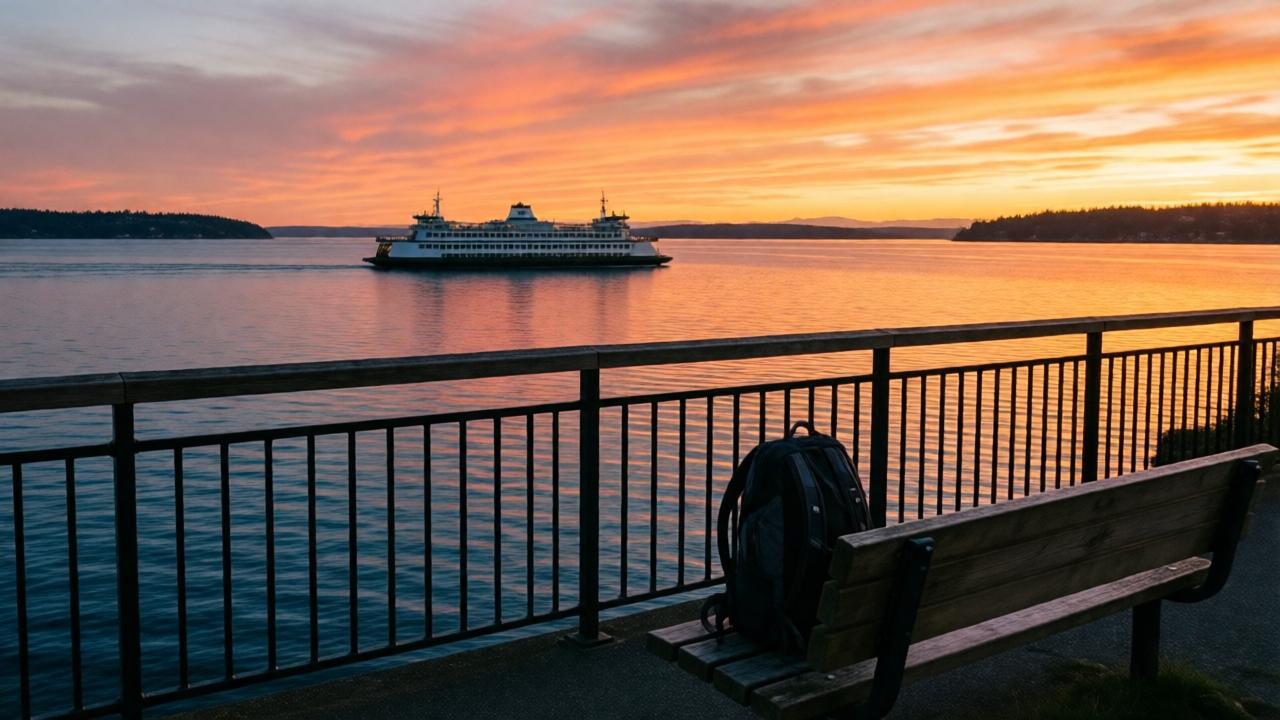
“That I had to find her,” I said. “That nothing else mattered.” He nodded slowly, as if confirming something he already knew. The backpack left my shoulders and found the only hands on that boat that could do something with what was inside it. You don’t always get to choose what you let go of. But the universe keeps a careful record of why. If you’ve ever lost something in the middle of doing what was right, send this to someone who needs to hear it.
“That I had to find her,” I said. “That nothing else mattered.” He nodded slowly, as if confirming something he already knew. The backpack left my shoulders and found the only hands on that boat that could do something with what was inside it. You don’t always get to choose what you let go of. But the universe keeps a careful record of why. If you’ve ever lost something in the middle of doing what was right, send this to someone who needs to hear it.